
The Ministry of Health has issued a warning over a growing public health crisis linked to poor waste management practices across the country, particularly in urban centres, saying the situation is increasing the risk of disease outbreaks among Kenyans.
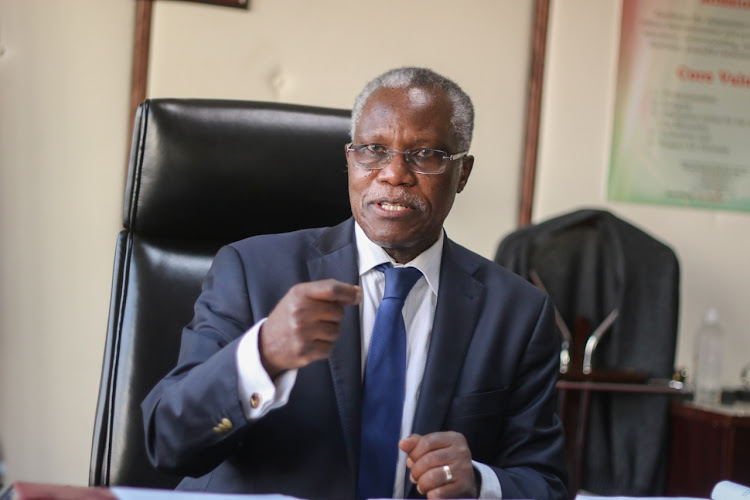
Public Health and Professional Standards, PS Mary Muthoni said the country is facing an urgent environmental health challenge driven by rising volumes of unmanaged garbage, weak disposal systems and harmful public behaviour in waste handling.
Speaking on Thursday morning during a public health stakeholders’ forum in Nairobi, Muthoni said current data indicates that Kenya generates approximately 22,000 tonnes of solid waste daily, but only about 10 percent of it is properly managed through formal systems.
“This is a dual crisis that is both environmental and public health-related,” she said. “When waste is not properly managed, it becomes a direct threat to our health systems, our cities, and our communities.”
She warned that the low rate of waste management was undermining government efforts to maintain hygiene standards in both urban and rural areas, adding that the consequences are already being felt in the form of increased health risks.
According to the PS, improper disposal of plastics—especially bottles and other non-biodegradable materials—is worsening drainage systems in towns and cities, creating stagnant water points that become breeding grounds for disease-carrying organisms.
“Another major concern is the careless disposal of plastic bottles and other waste materials,” Muthoni said.
“These block drainage systems, contribute to flooding in informal settlements, and ultimately expose communities to preventable diseases.”
The Ministry also raised concern over continued cases of open defecation in parts of rural Kenya, describing it as a significant contributor to the spread of waterborne diseases, especially in areas with limited access to sanitation infrastructure.
“This practice remains a serious public health risk,” Muthoni noted. “Combined with poor waste disposal in urban areas, it creates a nationwide vulnerability to disease outbreaks.”
She added that the government is now pushing for a more coordinated response involving both public and private sector actors to address the crisis.
The Ministry is proposing a nationwide awareness and behavioural change campaign dubbed “Epuka Uchafu,” aimed at encouraging proper waste disposal and improved sanitation practices.
“We cannot win this battle alone as government,” she said. “We are calling for a strong public-private partnership to support the ‘Epuka Uchafu’ campaign so that we can change behaviours and strengthen waste management systems across the country.”
The forum, held in Nairobi, brought together government officials, health experts, and development partners under the umbrella of Hennet, a consortium of health-focused non-governmental organisations operating in Kenya.
Stakeholders at the meeting underscored the need for stronger enforcement of waste management regulations, increased investment in sanitation infrastructure, and intensified public education campaigns to reduce environmental health risks.
Muthoni called on counties and urban authorities to prioritise waste management as a core public health issue, warning that failure to act could reverse gains made in disease prevention and environmental health.
























Comments
Sign in with Google to comment, reply, and like comments.
Continue with Google